No Single Person Powered The Space
CEO Space was never powerful because of only one speaker, one mentor or one entrepreneur.
Berny Dohrmann created the environment.
September Dohrmann helped carry its legacy and leadership forward.
But The Space became meaningful because many different people entered it carrying different forms of value.
Someone understood financial literacy.
Someone understood publicity.
Someone understood human behavior.
Someone understood books.
Someone understood podcasting.
Someone understood resilience.
Someone knew how to create community.
Someone knew how to turn ideas into action.
Someone simply knew the person standing on the other side of the room whom you needed to meet.
Bruce Goldwell calls people like these Superconductors.
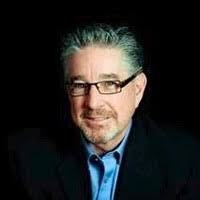
Berny Dohrmann — The Architect of The Space
Berny Dohrmann occupies the central place in this story because his greatest contribution was not simply teaching entrepreneurs.
He created an environment in which they could teach one another.
Berny challenged competitive isolation and encouraged cooperation, contribution, mentorship, education and strategic relationships.
His larger achievement was creating conditions where other Superconductors could become more effective simply because they were placed in proximity to one another.
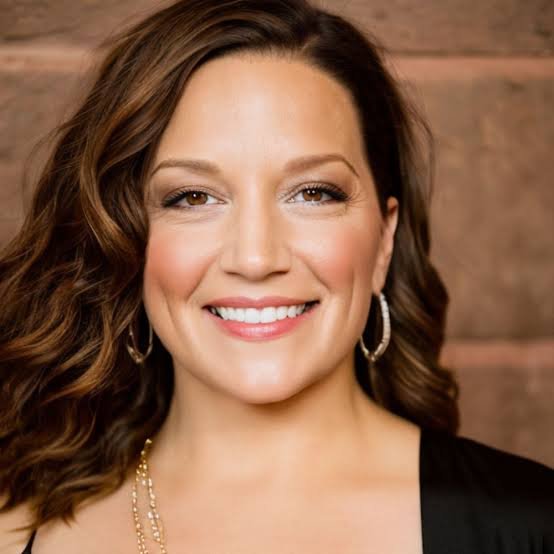
September Dohrmann — Carrying The Space Forward
September Dohrmann represents continuity.
She became an important part of CEO Space leadership and of preserving the culture and principles associated with Berny's vision.
Her perspective is particularly valuable because she could see The Space not merely through one participant's experience, but across many events, relationships, entrepreneurs and transformations.
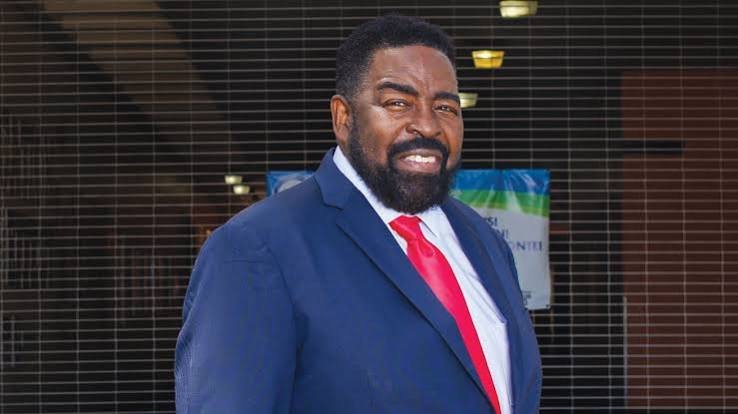
Les Brown — Reawakening Greatness
Les Brown represents one of the most powerful forms of human conductivity: belief.
Entrepreneurs do not always need another strategy.
Sometimes they need someone who helps them remember that a setback does not necessarily define the rest of their future.
Les's messages of possibility, resilience and greatness have helped countless people reconnect with what they believe is still possible.
Helping People See More in Themselves
Rodney Flowers
Rodney Flowers represents the ability to transform severe adversity into resilience, purpose and a source of strength for others.
What nearly breaks you can become what allows you to strengthen someone else.
Wendy Darling
Wendy Darling's work centers on internal patterns, change, identity and helping people move from wanting something different to becoming capable of living differently.
Transformation begins when possibility becomes personal.
Stacey Chillemi
Stacey Chillemi demonstrates how personal experience can become authorship, advocacy, education and service to people facing similar circumstances.
Your experience may contain the answer someone else has been searching for.
Dr. Bob and Dr. Judith Wright
Their work reminds entrepreneurs that businesses are built by human beings and that leadership, relationships, emotional intelligence and personal development affect what an organization can become.
Better businesses begin with better-developed human beings.
When Expertise Becomes Someone Else's Advantage
Sharon Lechter
Sharon Lechter represents financial knowledge made useful to others — helping people better understand money, ownership, business, financial choices and entrepreneurial possibility.
Knowledge becomes more valuable when it is passed forward.
Dr. David Gruder
Dr. David Gruder brings attention to the human and ethical foundations beneath achievement, including trust, leadership, organizational culture and integrity.
The strongest businesses are built by people whose values can carry their success.
Dr. Bob Levine
Dr. Bob Levine represents the extraordinary multiplication that happens when years of professional knowledge become mentorship, instruction and practical insight for someone else.
Expertise becomes influence when it improves someone else's life.
The People Who Helped Possibility Travel
Jill Lublin
Jill Lublin represents the power of helping good people and worthwhile ideas become visible. Publicity becomes another form of connection when it carries something useful toward the people who need to discover it.
Helping another person become visible does not diminish your light.
Shannon Procise
Shannon Procise demonstrates the difference between collecting contacts and recognizing meaningful relationships that can create real value.
One meaningful introduction can be worth more than a thousand business cards.
Nancy Matthews
Nancy Matthews represents the power of communities where people repeatedly help, encourage, refer and celebrate one another.
Community turns individual potential into collective momentum.
Orly Amor
Orly Amor represents the entrepreneurial opportunities that can emerge from conversation, speaking and relationships developed with genuine curiosity and alignment.
The next opportunity may begin with the person standing beside you.
Judi Snyder
Judi Snyder represents an overlooked networking principle: relationships become stronger through repeated presence, follow-through and contribution.
Opportunity favors people who repeatedly place themselves where contribution can happen.
Helping Knowledge Travel Farther
Randy Peyser
Randy Peyser helps people transform expertise, experience and ideas into books capable of reaching people the creator may never personally meet.
An idea cannot change lives while it remains trapped inside its creator.
Tracy Hazzard
Tracy Hazzard represents how technology can amplify human conversation and allow meaningful ideas to reach audiences far beyond the original room.
Technology becomes powerful when it carries meaningful human ideas farther.
When Possibility Becomes Action
Matthew and Orna Walters
Matthew and Orna Walters represent the capacity of partnership to create something larger than either person's individual contribution.
The right partnership doesn't divide the work. It multiplies the possibilities.
Sharla Jacobs
Sharla Jacobs represents the transition from vision into execution — helping entrepreneurs give their ideas structure, systems and a path into reality.
Possibility becomes valuable when someone helps turn it into action.
Randy Tate
Randy Tate embodies one of the most important cultural principles behind conductive networks: entering relationships asking what you can add before asking only what you can receive.
Ask what you can contribute before asking what you can receive.
What Each Person Conducted
No Book Can Capture Everyone Who Made The Space Matter
The people featured in The Superconductors II are not intended to be a complete list of everyone who contributed to CEO Space.
Thousands of people passed through The Space over the years.
There were speakers, faculty, entrepreneurs, mentors, volunteers, investors, connectors and participants whose names may never appear in a book.
Someone made an introduction in a hallway.
Someone sat with a discouraged entrepreneur over dinner.
Someone shared one piece of advice that prevented an expensive mistake.
Someone welcomed a newcomer.
Someone simply listened.
Those people were Superconductors too.
Where Are the Superconductors Today?
Many of the people featured in the book continue their work through books, speaking, coaching, media, leadership and entrepreneurial programs.
Visit the Connections page for official public websites and contact channels where available.
Visit Connections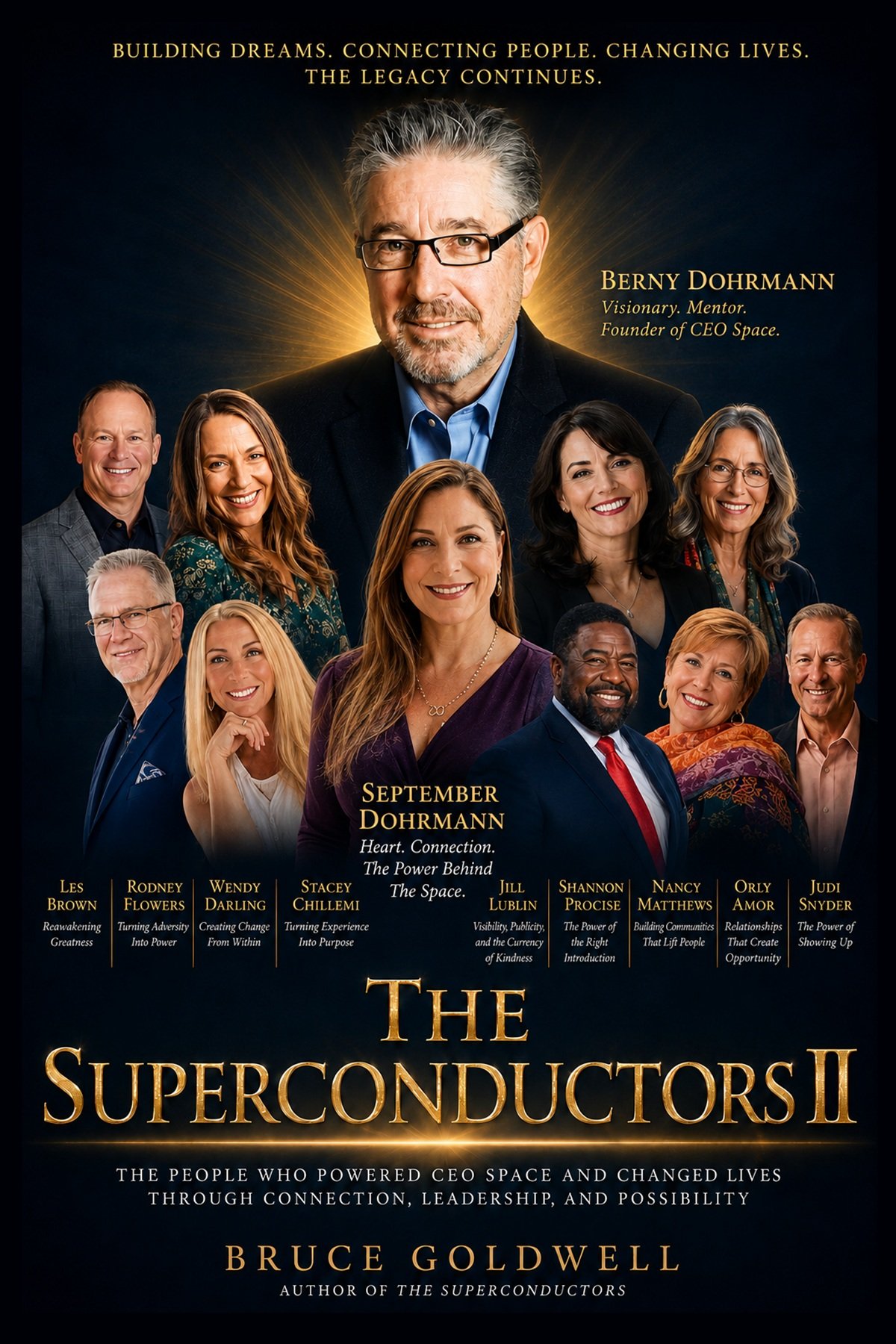
The Superconductors II
The People Who Powered CEO Space and Changed Lives Through Connection, Leadership, and Possibility
The Superconductors II brings these people together around a larger question:
What happens when people deliberately allow knowledge, encouragement, relationships and opportunity to move between them?
It also invites readers to stop simply searching for powerful people and begin becoming more conductive themselves.
Explore Book II View Book II on Amazon