Potential gives us hope.
We see what someone could become.
We imagine what the relationship could feel like if they became more honest, more dependable, more affectionate, more responsible, more emotionally available, or more willing to change.
Sometimes that potential becomes real.
People do grow.
People do mature.
People do change.
But potential becomes dangerous when it repeatedly asks you to ignore the pattern already happening in front of you.
“Never confuse someone's potential with their pattern.”
Potential describes what someone might become.
They might become more honest.
They might learn to communicate.
They might stop repeating destructive behavior.
They might become more responsible.
They might finally appreciate what they have.
They might eventually become the partner you have always believed they could be.
Pattern describes what someone repeatedly does.
What happens after promises?
What happens after apologies?
What happens when the crisis is over?
What happens when no one is watching?
What happens again and again?
That is the pattern.
“Potential is who someone could become. Pattern is who they keep choosing to be.”
Sometimes we think promises are evidence that the pattern is changing.
They may be.
But promises can also become part of the repeating cycle.
Then the old behavior returns—and the cycle begins again.
What changed after the last time those words were spoken?
Is this the first time you heard that promise—or the fifth?
What happened with the previous chances?
Does the behavior consistently protect the relationship that the words say matters?
Can you see evidence of that effort in ordinary behavior?
What specifically is being done differently right now?
Hope is often what gives people the strength to repair something worth saving.
Hope can inspire patience.
Hope can inspire forgiveness.
Hope can create room for genuine change.
The problem begins when hope repeatedly overrides evidence.
When the pattern says one thing and hope insists on another, you may find yourself waiting for a future that never becomes the present.
“Hope without evidence can become a prison.”
Sometimes we are not holding onto the relationship as it exists.
We are holding onto its possibility.
Am I in love with who this person is today?
Or am I in love with who I believe they could become?
Am I happy with the relationship I have?
Or am I waiting for the relationship I keep imagining?
Has real change already begun?
Or am I repeatedly being promised that it will begin soon?
Remove potential from the equation for a moment.
Imagine that nothing important changes.
The same communication.
The same habits.
The same conflict.
The same level of honesty.
The same amount of effort.
The same emotional pattern.
Now imagine living inside that exact relationship five years from today.
Would you still choose it?
“Don't make a lifetime decision based only on the person you hope someone will eventually become.”
This distinction matters too.
Everyone has a past.
Everyone has made mistakes.
Someone may have once lied, cheated, failed, hurt someone, struggled, or made choices they deeply regret.
A past does not have to define a person forever.
The question is whether they moved beyond it.
“A past is something someone has moved beyond. A pattern is something they keep bringing into the present.”
“People can change. But change must eventually become visible.”
Believing in someone's potential does not require pretending that change has already happened.
Real growth produces evidence.
Different decisions.
Different habits.
Different reactions.
Different boundaries.
Different priorities.
And most importantly, those changes survive beyond the moment when someone is afraid of losing you.
Genuine change does not need to remain theoretical.
The longer you have been with someone, the more difficult it may be to stop believing that everything you invested will eventually pay off.
You may think:
“We've been together too long to give up now.”
“I've already invested so much.”
“I know the person they can be.”
“Things used to be better.”
“Maybe we're almost through the worst of it.”
History deserves respect.
But history does not get to automatically control your future.
“Don't confuse the amount of time you have invested with proof that you should keep investing.”
Waiting has a price too.
“Don't ask only, ‘How do I keep this person?’ Ask, ‘What is keeping this person costing me?’”
How long have you already been waiting for the same change?
Are you constantly waiting for the next disappointment?
Have repeated promises caused you to doubt your own judgment?
What experiences or possibilities have been postponed while you wait?
Have you changed yourself repeatedly in hopes of helping them change?
How many more years are you willing to invest in possibility?
Potential can also become dangerous when you enter a relationship believing it is your job to turn someone into the person you want.
Love should leave room for growth.
Partners can inspire each other.
Encourage each other.
Challenge each other.
Support each other's development.
But there is a difference between encouraging growth and redesigning a person.
“Love should not begin with ‘I accept you’ and gradually become ‘Now let me turn you into someone else.’”
Ask yourself whether you can accept this person as they actually are today.
Not after they lose weight.
Not after they make more money.
Not after they become more social.
Not after they change careers.
Not after they become more romantic.
Not after they finally become the person you have pictured.
Growth can happen.
But love should not require either person to become someone entirely different just to remain acceptable.
“The right relationship should give both people room to become more, not pressure one person to become someone else.”
What behavior has actually changed?
How long has that change lasted?
Am I responding to evidence or promises?
Has this same cycle happened before?
Would I choose this relationship if nothing changed?
Am I accepting who this person is—or trying to redesign them?
Does hope have evidence supporting it?
What is waiting for change costing me?
You do not have to stop believing that someone can change.
You may still believe in their potential.
You may still hope they become everything you once saw in them.
But you do not have to place your future on hold until that happens.
“You can believe someone has the potential to become better without making your life dependent on whether they ever do.”
A pattern can change.
But when it does, you will not have to imagine the change forever.
Eventually you will be able to see it.
In honesty.
In accountability.
In choices.
In consistency.
In time.
“Don't build your future with the promise. Build it with the pattern.”
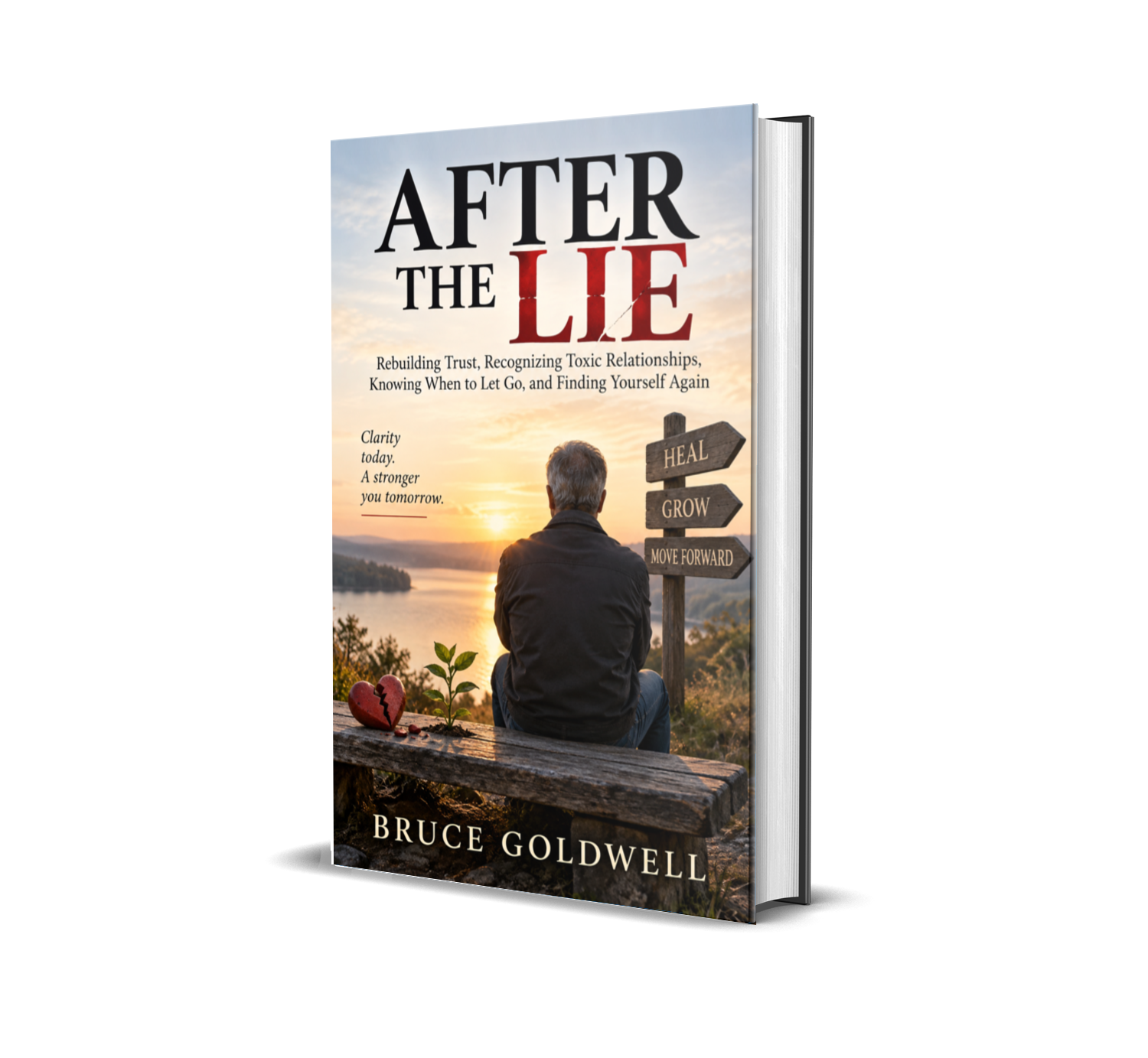
After the Lie helps you separate promises from patterns, hope from evidence, history from the future, and love from the fear of letting go.