Editorial Policy
Learn the standards that guide clarity, fairness, educational value, sourcing, and responsible publication.
Read Editorial PolicyEvery article, guide, and educational resource published across the Bruce Goldwell Knowledge Centers is built upon research, comparison, human judgment, and a commitment to helping readers understand where information comes from.
Information is more useful when readers can understand it, question it, compare it, and trace it back to credible sources.
The internet contains excellent educational material, but it also contains outdated articles, copied information, unsupported opinions, misleading headlines, and AI-generated content that may not have been properly reviewed.
The Bruce Goldwell Knowledge Centers are designed to take a different approach. Before educational content is published, information may be compared with official documentation, government publications, technical resources, academic research, industry analysis, court records, books, and independent reporting.
Complex information is then organized and rewritten in plain language so that beginners can understand the topic without losing sight of the underlying evidence.
These policies explain how research is gathered, evaluated, organized, reviewed, and presented.
Learn the standards that guide clarity, fairness, educational value, sourcing, and responsible publication.
Read Editorial PolicyDiscover how claims are reviewed, compared, verified, qualified, and prepared for publication.
See the ProcessExplore the government, technical, academic, legal, financial, and industry sources used throughout the ecosystem.
Explore SourcesLearn how artificial intelligence assists with research organization, writing, coding, and editing while human judgment remains central.
View AI PolicyGive readers enough information to examine the evidence, visit the original sources, and form informed conclusions of their own.
Break difficult concepts into understandable language without oversimplifying the central issue.
Identify the organizations, publications, records, and technical materials supporting important claims.
Examine more than one perspective whenever a subject contains uncertainty, disagreement, or competing interpretations.
Help readers continue their own learning instead of treating any single article as the final word.
The exact process may vary by topic, but most educational content follows the same basic path.
Identify what the reader needs to understand and which claims require verification.
Locate official records, technical documentation, academic research, books, and independent analysis.
Check whether multiple credible sources support, qualify, or disagree with the information.
Arrange the research into a logical learning path that readers can follow.
Translate technical material into clear educational language while retaining important context.
Review wording, structure, claims, links, dates, risks, and possible misunderstandings.
Add the article to the appropriate Knowledge Center and connect it to related learning resources.
Revise content when laws, technology, products, markets, evidence, or official information change.
No single source is perfect. Government agencies, technical organizations, courts, universities, companies, industry researchers, authors, and experienced practitioners may each contribute different pieces of the complete picture.
Official documentation may explain how a system is designed. Independent researchers may examine how it performs. Government records may establish legal or regulatory facts. Industry reporting may provide current context.
Comparing these materials makes it easier to identify agreement, uncertainty, outdated information, promotional language, and areas where further research is needed.
Explore Sources and References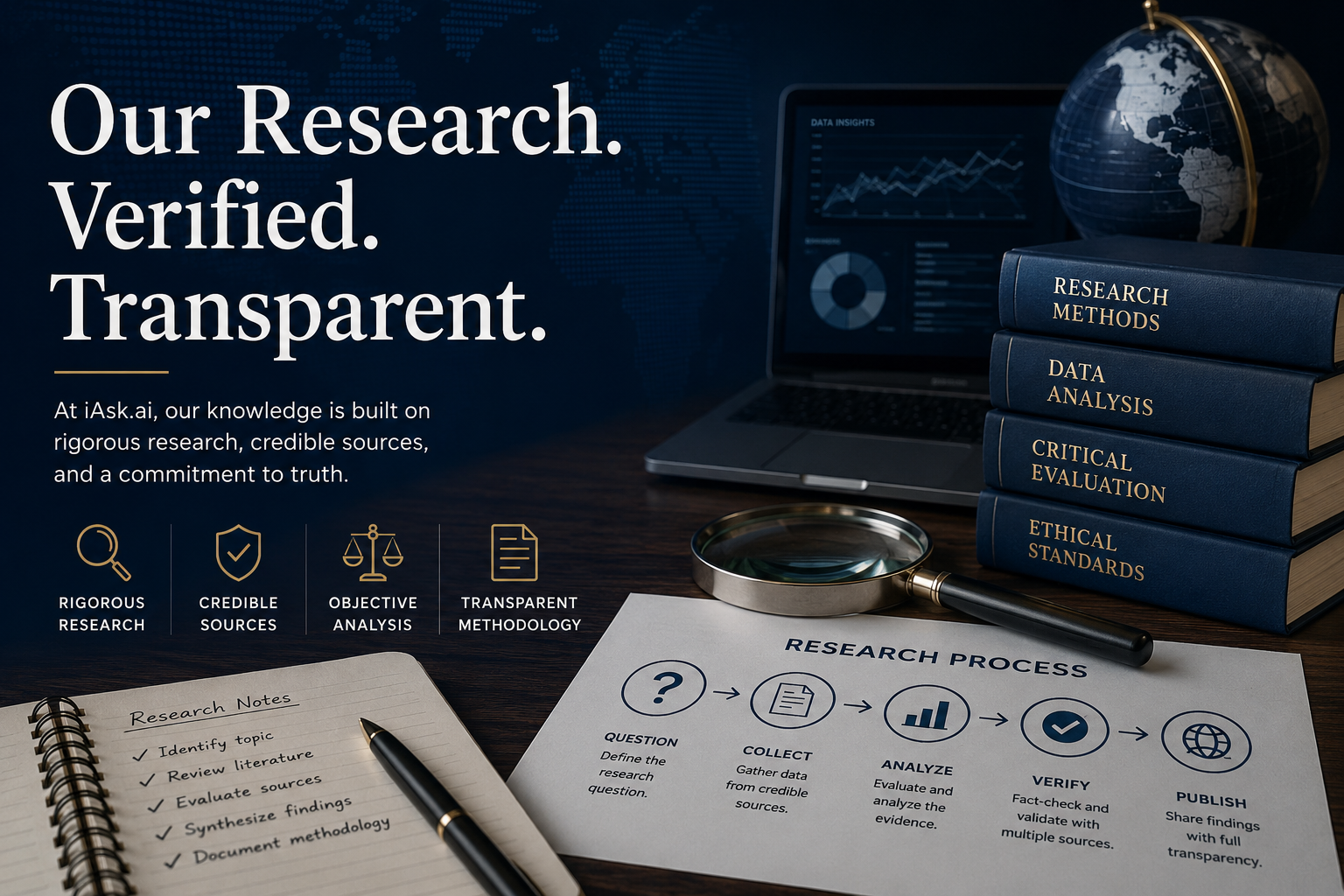
Use these pages to examine the policies and practices behind the entire Bruce Goldwell Knowledge Center ecosystem.
The principles that guide accuracy, accessibility, fairness, and educational value.
Read PolicyHow important claims are researched, compared, qualified, and reviewed.
View ProcessThe step-by-step path from the initial research question to publication and future updates.
Follow the WorkflowHow AI assists with organization, writing, analysis, coding, and creative production.
Review AI UsageA guide to the kinds of sources used throughout the Knowledge Centers.
Browse ReferencesA growing directory of respected organizations, repositories, publications, and documentation.
View DirectoryLearn how to distinguish primary evidence, secondary analysis, opinion, promotion, and misinformation.
Learn to EvaluateSee how errors, outdated information, broken links, and reader concerns are handled.
View Corrections PolicyAnswers about research, AI, sourcing, updates, citations, corrections, and educational use.
Read the FAQThe Research Methodology hub provides a shared foundation for educational resources across multiple subjects.
Practical AI education, tools, prompting, verification, responsible use, and creator workflows.
Visit AI Knowledge CenterBeginner education, XRP Ledger technology, utility, wallets, institutional finance, and valuation.
Visit XRP Knowledge CenterStellar, XLM, remittances, stablecoins, tokenization, cross-border payments, and global access.
Visit Stellar Knowledge CenterBelief, identity, manifestation, conscious creation, action, gratitude, and personal transformation.
Visit Law of Attraction CenterThe goal of the Bruce Goldwell Knowledge Centers is to provide useful, carefully organized educational information. Research methods reduce error, but they cannot eliminate every mistake or account for every future development.
Readers are encouraged to visit original sources, confirm current information, consult qualified professionals when appropriate, and report material errors or broken references.
Corrections and meaningful updates are part of responsible publishing—not evidence that research should never evolve.
Read Our Corrections PolicyWe invite readers to explore not only what the Knowledge Centers publish, but also how information is researched, reviewed, organized, and improved.