Health Is More Than the Absence of Illness
When people think about health, they often think about physical conditions, medical appointments, exercise, or the foods they eat. These are important, but they represent only part of the larger picture.
Holistic health is an approach to well-being that considers the whole person rather than focusing on one aspect of life in isolation.
It recognizes that physical health, emotional experiences, personal beliefs, intellectual engagement, nutrition, surroundings, financial circumstances, and meaningful activities can influence one another.
A person may eat nutritious foods and exercise regularly but still experience significant stress, loneliness, or financial uncertainty. Another individual may live with a chronic medical condition yet experience a meaningful and satisfying life through supportive relationships, purposeful activities, and appropriate healthcare.
Holistic wellness is not about achieving perfect health. It is about supporting the best quality of life possible within your circumstances.
Understanding the Mind-Body Connection
Our mental and physical experiences are closely connected. Stress, for example, can influence sleep, appetite, muscle tension, and how we experience physical discomfort.
At the same time, physical factors such as inadequate sleep, illness, pain, or limited activity may influence mood, concentration, and emotional resilience.
Positive experiences can also have meaningful effects. Physical activity may support emotional well-being, while supportive relationships can help people cope with difficult circumstances.
Recognizing these connections encourages us to look at the broader circumstances surrounding our health rather than searching for a single explanation for every challenge.
The Nine Dimensions of Holistic Wellness
In Holistic Health and Wellness: A Comprehensive Guide to Mind, Body, and Spirit, Bruce Goldwell explores nine interconnected dimensions that contribute to overall well-being.
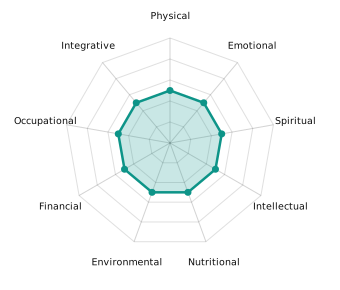
Nine interconnected dimensions of whole-person wellness.
1. Physical Health
Physical wellness involves caring for the body through appropriate movement, strength, balance, sleep, preventive healthcare, and recovery. These habits can support daily functioning and independence.
2. Emotional Health
Emotional wellness involves understanding feelings, managing stress, developing resilience, and maintaining supportive relationships. It includes recognizing when additional support may be needed.
3. Spiritual Health
Spiritual wellness involves exploring meaning, purpose, personal values, and connections that give life significance. It may include religious faith, reflection, gratitude, or service to others.
4. Intellectual Health
Intellectual wellness encourages curiosity, lifelong learning, creativity, critical thinking, and engagement with new ideas. Learning can remain meaningful throughout every stage of life.
5. Nutritional Health
Nutritional wellness focuses on nourishing the body through balanced eating, adequate hydration, and practical food choices that reflect individual needs, preferences, and circumstances.
6. Environmental Health
Environmental wellness involves creating safer, healthier surroundings and understanding how homes, workplaces, communities, and natural environments influence well-being.
Explore Environmental Health →
7. Financial Health
Financial wellness involves understanding income and expenses, reducing financial uncertainty, protecting resources, and making realistic decisions that support personal stability.
8. Occupational Health
Occupational wellness involves finding meaning, balance, and satisfaction in work and other productive activities. This can include employment, caregiving, volunteering, retirement activities, and personal projects.
9. Integrative Wellness
Integrative wellness brings the different dimensions together. It encourages thoughtful combinations of healthy habits, appropriate medical care, and evidence-informed supportive practices.
Explore Integrative Wellness →
How the Dimensions Influence One Another
The nine dimensions are not separate compartments. They continually interact in everyday life.
Consider someone experiencing financial pressure. That stress may disrupt sleep, affect relationships, and make it harder to concentrate at work. Addressing financial uncertainty may help reduce some of these related difficulties.
Similarly, someone who begins walking regularly may experience improvements in physical fitness, opportunities for social interaction, and a greater sense of accomplishment.
The important lesson is that improvements in one area can sometimes support progress in others. However, not every challenge can be solved through lifestyle changes alone.
Holistic Health and Conventional Medicine
Holistic wellness should complement—not replace— appropriate medical care.
Preventive screenings, professional evaluations, prescribed treatments, rehabilitation, and ongoing management of health conditions remain important components of overall well-being.
Some people also explore complementary practices such as meditation, yoga, massage, or acupuncture. Their benefits, limitations, and safety vary depending on the practice and the individual.
A responsible approach considers available evidence, potential risks, personal needs, and guidance from qualified healthcare providers.
Natural does not automatically mean safe, and no wellness practice can guarantee prevention or recovery from illness. Be cautious of products or programs promising miraculous results.
Why Small Changes Matter
Many people become discouraged because they believe improving their health requires a complete lifestyle transformation.
In reality, meaningful progress often begins with manageable actions repeated over time.
- Take a short walk when your abilities and circumstances allow.
- Establish a more consistent sleep routine.
- Add nutritious foods to meals you already enjoy.
- Make time for a supportive conversation.
- Explore a new subject or develop a skill.
- Identify one source of unnecessary financial stress.
- Create a safer or more comfortable living space.
- Spend a few moments reflecting on what matters most.
These steps may seem modest, but they can provide a foundation for lasting habits.
Wellness Is Personal and Lifelong
A healthy routine should reflect your age, abilities, responsibilities, financial resources, health conditions, and personal priorities.
The needs of someone raising a family may differ from those of a retired individual. Someone managing a disability or chronic illness may need to adapt activities to remain safe and comfortable.
There is no single perfect wellness plan. Your approach can evolve as your life changes.
The purpose of holistic wellness is not to judge yourself against someone else's standards. It is to make thoughtful choices that support your own quality of life.
Begin Your Personal Wellness Journey
One useful starting point is to reflect on how you currently feel about each dimension of wellness.
Which areas are going well? Which have become difficult? Where might one small improvement make a meaningful difference?
Our companion resources can help you organize your thoughts and develop a practical approach.
Wellness Self-Assessment
Reflect on your current well-being across the nine dimensions.
Take the AssessmentPersonal Wellness Plan
Choose meaningful priorities and develop realistic next steps.
Create Your Plan