What Is XRP?
XRP is a digital asset designed to help move value quickly, efficiently, and globally.
XRP in Plain English
XRP is a cryptocurrency used to transfer value from one place to another. Instead of waiting days for traditional international payments to settle, XRP was designed to help transactions move in seconds.
For beginners, the easiest way to understand XRP is to think of it as a bridge asset. It can help connect different currencies and payment systems so value can move faster.
Why XRP Gets Attention
Many cryptocurrencies are known mainly for speculation, but XRP became known for a practical financial use case: helping money move better across borders.
That is why XRP is often discussed in connection with banks, payment companies, international transfers, liquidity, and the future of digital finance.
Fast Transfers
XRP transactions are designed to settle quickly compared with many traditional payment systems.
Low Fees
The XRP Ledger is known for very small transaction costs, making it attractive for payment use cases.
Global Utility
XRP can move across borders without relying on the same slow steps used by legacy banking rails.
Is XRP the Same as Ripple?
No. Ripple is a company. XRP is a digital asset. The XRP Ledger is the network where XRP moves.
This difference matters because buying XRP does not mean buying stock in Ripple. XRP has its own market price and exists as a digital asset within the broader ecosystem.
Learn XRP vs RippleWhy Beginners Should Care
XRP matters because it sits at the intersection of cryptocurrency, banking technology, global payments, and tokenized finance. Whether XRP becomes a major part of the future remains unknown, but understanding it gives beginners a clearer view of where digital money may be heading.
Plain English Summary
XRP is a cryptocurrency built for moving value quickly. It is not Ripple stock, and it is not just another hype coin. It is a digital asset with a long-running focus on payments, liquidity, and financial efficiency.
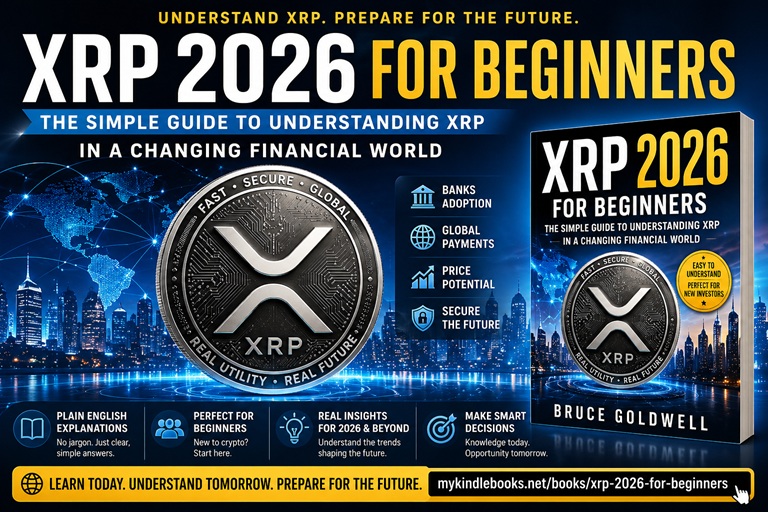
To learn more, read the full beginner guide: XRP 2026 for Beginners by Bruce Goldwell.
Back to Book Hub