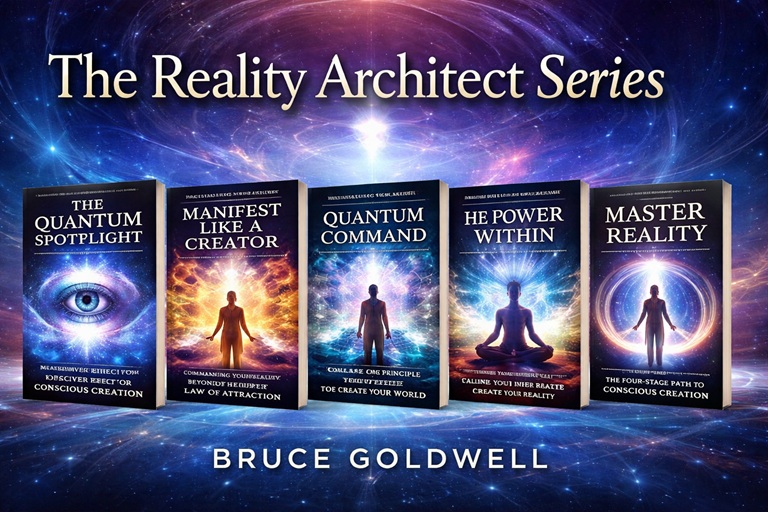
What Is Conscious Creation?
Conscious creation is the idea that your thoughts, focus, identity, and internal state influence the reality you experience. Instead of life happening randomly, this concept suggests that you are participating in the shaping of your experiences every day.
Most people move through life reacting to circumstances. Conscious creation shifts that approach by placing awareness on how attention, belief, and expectation influence what shows up in your world.
The Core Idea Behind Conscious Creation
At its simplest level, conscious creation means that where you place your attention matters. What you focus on repeatedly becomes more active in your awareness and, over time, more visible in your life experience.
This is not about wishful thinking. It is about recognizing patterns—how thoughts lead to emotions, emotions influence actions, and actions create outcomes.
The Role of Identity and Self-Concept
One of the most important aspects of conscious creation is self-concept. The way you see yourself determines what you expect, what you allow, and what you move toward.
When identity shifts, behavior shifts. When behavior shifts, results begin to change. This is why many approaches to manifestation fail—they focus only on outcomes instead of addressing the internal state that produces those outcomes.
From Passive Thinking to Active Direction
Conscious creation is not passive. It is not about hoping something will happen. It is about deliberately directing your focus, adjusting your internal state, and choosing how you respond to situations.
Over time, this builds consistency. And consistency is what transforms ideas into results.
Why This Matters
Understanding conscious creation gives you a different perspective on your experiences. Instead of feeling controlled by circumstances, you begin to recognize where influence exists.
Small shifts in attention, identity, and response patterns can lead to significant changes over time. The process is not instant—but it is repeatable.
The more aware you become of how your internal state shapes your experience, the more intentional your actions and decisions can be.
Next: The Observer Effect →